3 Questions for klimja

A Decade of Impact Investing
Digital Invest Germany represents companies and organisations across the Alternative Finance ecosystem in Germany and Europe. In our member interviews, we introduce the organisations within our network and the people behind them.
For this edition, we spoke with Stefan Kainz, Managing Director of our member klimja.
Digital Invest Germany (DIG): Crowd4Projects GmbH has been operating for ten years, while the platform has evolved from Crowd4Climate to klimja. What changes in the market does this development reflect and what does klimja stand for today?
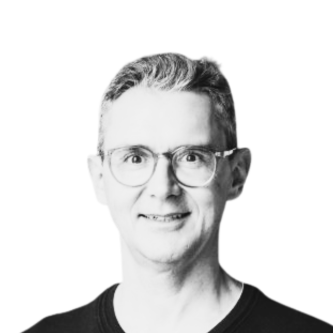
Stefan Kainz: Ten years ago, we launched Crowd4Climate to give people the opportunity to invest their money directly in climate protection projects in countries of the Global South. This remains at the core of what we do today, but with klimja we take a more broader approach.
First, for investors, we offer not only investment opportunities but also critical financial education and awareness-raising around the impact of money. The question “What do I do with my money?” is complemented by the questions “What does my money do in the world?” and “What does money do to me?”
Second, when it comes to projects, we now have a mix of projects in Central Europe, particularly Germany and Austria and selected stable countries in the Global South.
And third, as a social enterprise, we have also embedded the “Impact First” principle in our articles of association. This means that positive ecological and social impact comes first for us – even before financial returns. If we have to choose between greater social impact and greater profit for our company, we will always choose greater social impact.
DIG: klimja is active in Austria and Germany. What differences do you see between the investor communities in the two countries when it comes to what motivates them, how they invest and their openness to climate-related investments?
Stefan Kainz: In our experience, the investors in Germany and Austria behave very similarly. What I particularly appreciate about our klimja community is its diversity. It ranges from young students to older retirees, from civil servants to self-employed people and from people investing EUR 100 to people who have invested more than EUR 100,000 in total.
At klimja, we reach a wide range of people who care about the impact their money has in the world. They can invest their money in a way that is good for people and for nature.
DIG: Impact investing is about generating not only financial returns but also positive impact. What have you been able to achieve with this approach over the past ten years? What role should impact investing play for klimja in the future, and which ideas or goals would you like to pursue in the coming years?
Stefan Kainz: A key aspect of impact investing is that the intended positive impact is clearly defined in advance and regularly measured and reported throughout the investment period. Over the past ten years, investments made through our platform have positively impacted a total of 32,044 people and saved 11,101 tonnes of CO₂. We update and communicate these figures every six months. In addition, we summarise our overall impact logic and impact measurement in an annual public impact report.
Looking ahead, we want to maintain this focus on impact. We build alliances with other companies and create opportunities for people to learn and engage. We invite everyone who wants to work with us to give money a purpose by directing it towards projects that benefit people and the planet.